



Key Technical Terms & Materials in Tin-Plate Lids: BPA-Free, TPE Seals, Internal Coatings, and What They Mean
Key Technical Terms & Materials in Tin-Plate Lids: BPA-Free, TPE Seals, Internal Coatings, and What They Mean
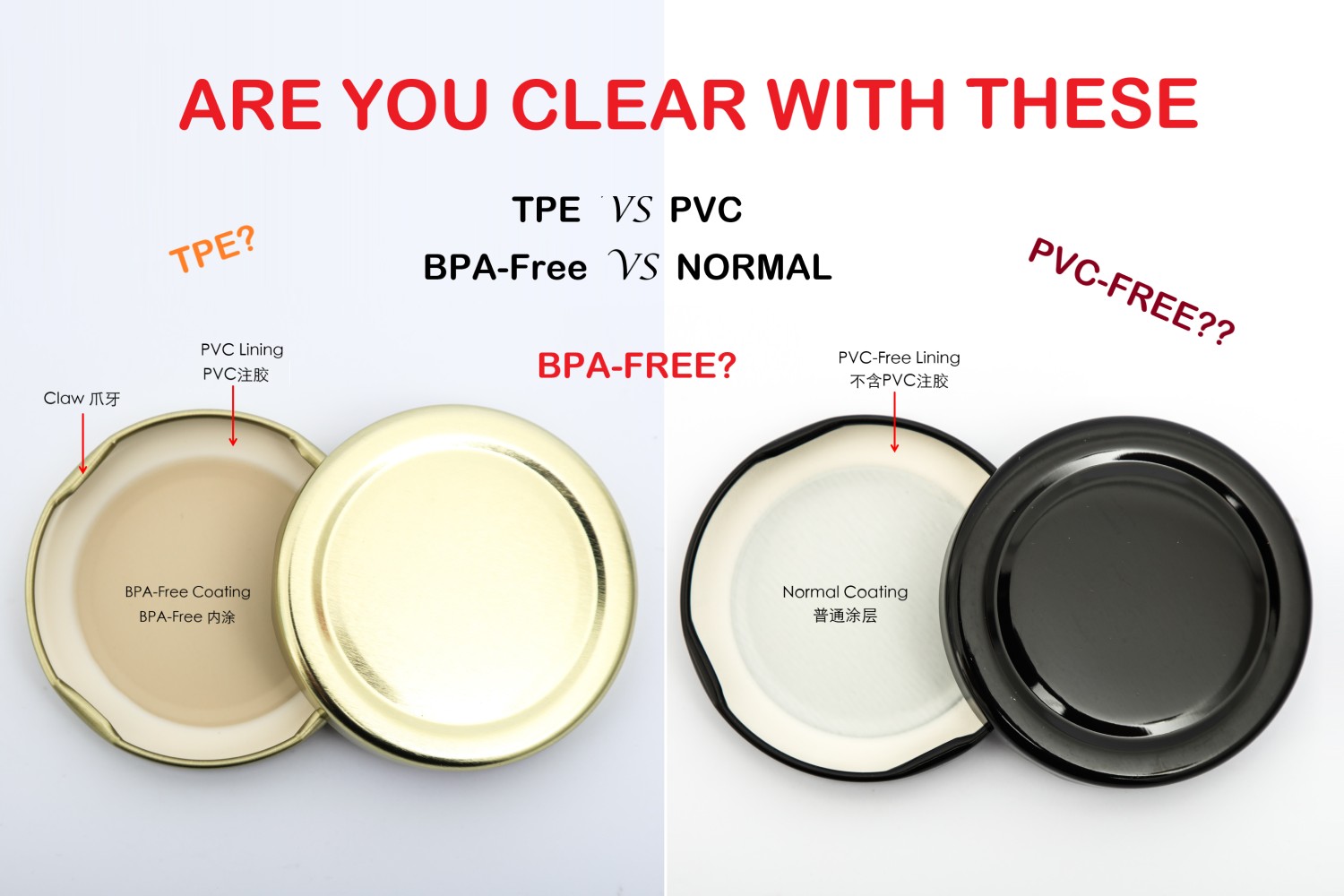
When food, beverage or other sensitive products use tin-plate lids (tins / tinplate caps), understanding internal coatings, sealing materials, and regulatory terms is essential. Below is a technical yet accessible guide for procurement / QA / regulatory decision-makers, covering terms like BPA-Free, TPE, internal coatings (e.g. PPG Innovel / BPA-NI), their differences, and how they integrate into lid manufacturing.
|
Term |
Definition / Material |
Why It Matters in Food / Beverage / Packaging |
|
Tinplate (马口铁 / ETP) |
Steel sheet with a thin layer of tin (electro-tinplate) over the base, or similar protective metallic finish. Provides corrosion resistance, mechanical strength. |
The base material for many food / beverage lids; its quality (tin coating thickness, steel quality, temper) affects durability, capacity to resist corrosion, and safety. |
|
Internal Coating / Lining |
A layer of organic material applied on the interior surface of the lid (side facing the contents), to prevent direct metal–content contact. Prevents corrosion, metallic taste, discoloration, migration of metal ions, or reaction with acidic, salty or oily contents. |
Critical for preserving product quality, safety, shelf life. Choice of coating affects performance, flavor stability, regulatory compliance. |
|
BPA (Bisphenol A) |
A chemical used historically in many epoxy resin coatings. When in contact with food or beverages, under certain conditions, BPA or its degradation products can migrate from coating into the product. |
Many markets have increasingly restricted or prohibited BPA in food contact materials. Having coatings free of BPA (or “non-intentional” BPA) helps meet regulatory requirements and customer expectations. |
|
BPA-Free / BPA-NI (Non-Intentional) |
• BPA-Free means no BPA is intentionally used in the formulation. • BPA-NI means BPA is not used on purpose; any residual trace should be at or below regulatory thresholds. |
Ensures compliance with regulations in EU, USA, China etc., helps with consumer trust, often required by major brands. |
|
PPG Innovel / PPG Innovel PRO / BPA-NI Coatings |
A family of internal coatings produced by PPG (a major coatings company) designed to provide food-safe lining without BPA or bisphenol starting substances. The Innovel PRO / PRO 2489 etc., are engineered for high performance in demanding lid production (high stamping speed, high temperature, etc.). (PPG) |
These coatings are examples of how modern internal linings can satisfy both regulatory safety (non-BPA) and performance (durability, resistance, flavor neutrality). They serve as benchmarks / references in many procurement specifications. |
|
TPE (Thermoplastic Elastomer) |
A rubber-like material that can be processed like plastic but exhibits elastomeric properties. Often used for sealing gaskets / liner rings / sealing edges inside lids. |
Offers good sealing (prevents liquids/gases leaking), durability, ability to withstand temperature changes, good compatibility with contents; often more stable and cleaner (less leaching, odor) than cheaper alternatives. |
Key Differences: What to Look for / Compare
When evaluating tin-plate lids for food / drink / sensitive products, here are the main performance / safety / cost trade-offs among these materials / features:
|
Criteria |
Traditional Epoxy Coatings (may contain BPA) |
Non-BPA / BPA-Free or BPA-NI Internal Coatings (e.g. Innovel PRO, etc.) |
Sealing Material: TPE vs Older Plastisol / PVC / Rubber |
|
Regulatory Compliance / Food Safety |
Risk of BPA or related compounds, may not meet newer regulations in certain markets. |
Designed to comply with modern food contact laws (EU Food Contact Regulation EC 1935/2004, US FDA, China GB etc.), lower migration, flavor neutrality. For example, PPG Innovel internal coatings are non-BPA and approved in many markets. (PPG) |
TPE formulations can be made to meet food contact safety, are often more stable, less prone to leaching vs PVC / plastisol; but must check the specific compound’s test data. |
|
Chemical / Corrosion Resistance |
Good in many cases, but may degrade under strong acid, high salt, high temperature; the epoxy layer can be attacked or degraded. |
Improved resistance in modern non-BPA coatings; ability to withstand hot-fill, retort, pasteurization, etc. PPG’s BPA-NI coatings are tested for such uses. (PPG) |
TPE seals tend to maintain integrity under temperature / chemical stress better than poorer quality seals; elastomeric recovery (after compression) is important. |
|
Durability & Production Compatibility |
Traditional epoxy / older coatings are well-understood, sometimes less expensive; may have limitations on stamping speed / heat / pressure. |
Modern non-BPA coatings are engineered for high-speed stamping, high heat & pressure, and more consistent behavior in production. Example: PPG Innovel PRO PPG2489 is made for high-speed stamping lines, can withstand high temperatures and pressures. (PPG) |
Seal material must survive not only the initial seal but also filling, sterilizing, transport, temperature cycling. TPE tends to perform well if properly specified. |
|
Cost / Lifecycle Cost |
Lower upfront cost sometimes; but potential costs in regulatory risk, flavor issues, spoilage. |
Slightly higher material / coating cost, but lower risk, better for export, better shelf life, may reduce waste. |
Good seal performance avoids leaks / spoilage / returns, so even if more expensive materials cost more initially, lifetime benefit often justifies cost. |
How These Materials / Coatings Fit into Lid Manufacturing Process
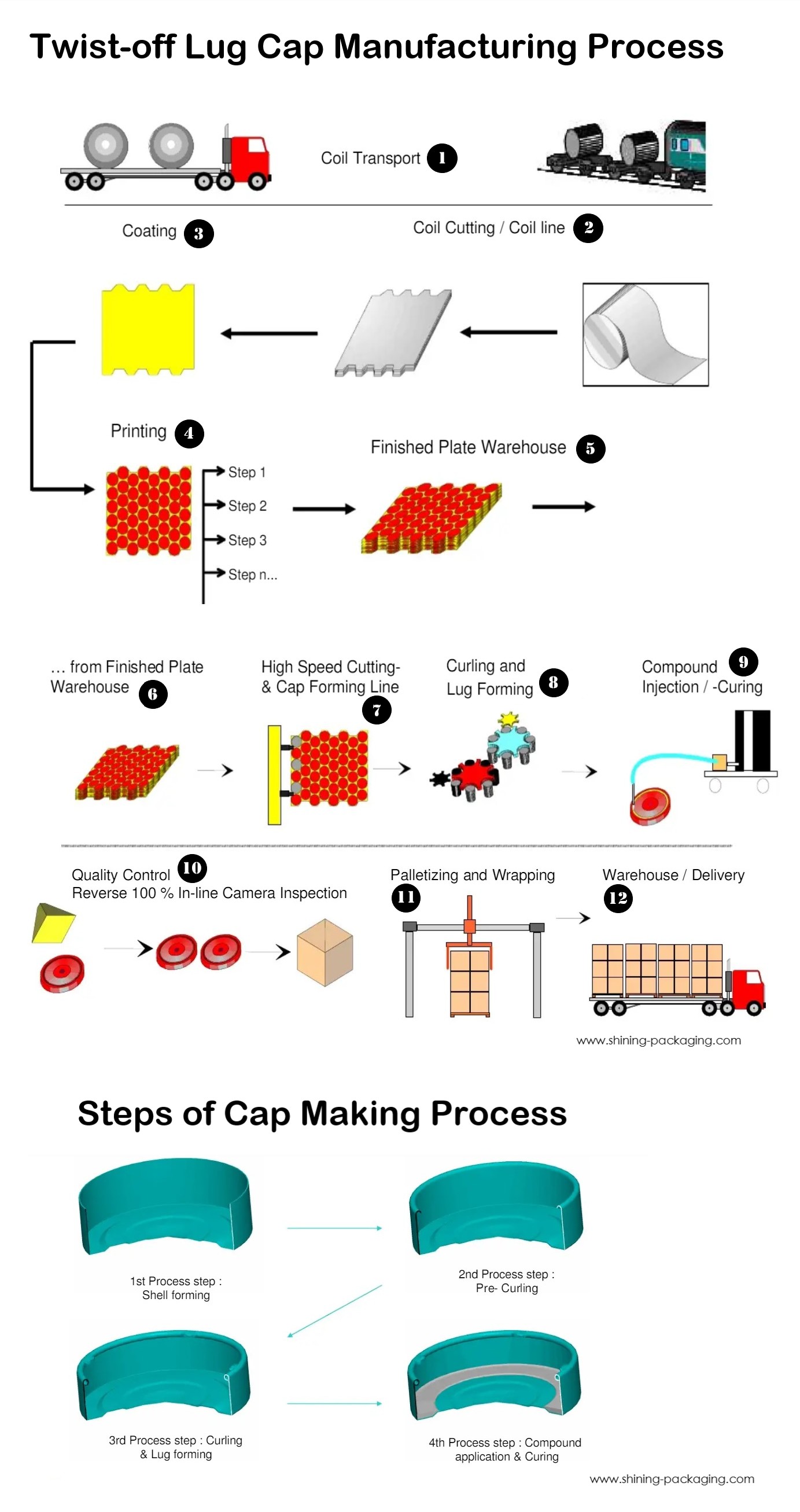
Here is a simplified process flow of lid (tin-plate lid) manufacture, with where these materials & terms come into play, and what to check:
- Raw Material & Tinplate Selection
Choose tinplate steel with appropriate thickness, tin coating, steel temper.
Ensure base sheet compatibility (coating adhesion, tin adhesion) with downstream processes.
- Stamping / Forming (“Cap Body”)
Forming the lid shape, folding edges, flanging, etc. The coating (if pre-coated) needs to survive shaping without cracking or exposing metal.
- External Decoration / Printing
Logos, colors, inks, external coating if needed.
- Internal Coating Application
Apply internal coating (spray / lacquer) to the interior surface. For lids that require strict safety / flavor preservation, use modern non-BPA / non-bisphenol internal coatings (e.g. PPG Innovel PRO series).
Control parameters: film thickness, curing temperature, uniform coverage, absence of flaws / pinholes.
- Sealing Material / Gasket Installation
If lids use additional sealing gaskets (edge liner, TPE ring or similar), ensure the sealing material is food grade, compatible with filling / sterilization conditions. TPE is often preferred for its elasticity, stability, and regulatory acceptability.
- Quality Control & Testing
Test internal coating adhesion, corrosion resistance, migration / extractables, flavor / odor transfer.
Test seal integrity—leakage, compression set, aging, high/low temperatures, thermal cycling.
Ensure compliance with food contact material regulations (EU, FDA, China, etc.).
- Filling / Sealing / Sterilizing / Packaging
The assembled lid + container undergoes filling, sealing, possibly sterilization / pasteurization / retort / hot-fill processing. All materials must endure these conditions.
Finally, packaging, shipping, storage. Lid materials/coatings must maintain performance under transport vibration, moisture, temperature swings.
Regulatory & Market Trends
To stay competitive and safe, food & beverage companies increasingly demand lids / coatings that satisfy:
- Non-BPA / BPA-Free or BPA-NI claims, often mandated or strongly preferred in Europe, North America, parts of Asia.
- Non-intentional PFAS / limit on other concerning substances, especially for coatings that may include fluorinated or perfluoro-compounds. (Many new PPG coatings are both BPA-NI and PFAS-NI.)
- Lower film weight coatings (thinner internal coatings) to save raw material, reduce emissions, reduce cost while maintaining performance. Example: PPG Innovel PRO PPG2489 offers reduced film thickness, helping lower carbon emissions roughly by ~20% in some applications.
- Flavor neutrality / minimal migration so products taste as intended and are not compromised by packaging.
- Global regulatory compliance (US FDA, EU EC 1935/2004, China GB, etc.), with test data, migration reports, certifications.
Summary: What Buyers / Specifiers Should Require / Specify
When specifying or procuring tin-plate lids for food or beverage, here is a checklist or specification you might include:
- Internal coating: non-BPA / BPA-NI (and ideally a named coating with data)
- Coating performance: able to survive hot-fill / retort / pasteurization as required, resistant to acid, salt, etc.
- Coating thickness / uniformity, with test reports for migration or flavor transfer
- Seal material: food grade TPE (or equivalent), tolerance for high/low temperature, compression set, repeated opening (if applicable)
- Compliance: EU, FDA, China or relevant local regulations; certification if possible (e.g. C2C, etc.)
- Durability and production compatibility: does the coating handle high stamping speeds, pressure, temperature? Can production lines achieve desired throughput without defect
 Supplier track record: technical support, lab testing, supply chain reliability.
 - Supplier track record: technical support, lab testing, supply chain reliability.
-
Why Are International Brands Paying More Attention to Glass Bottle Testing
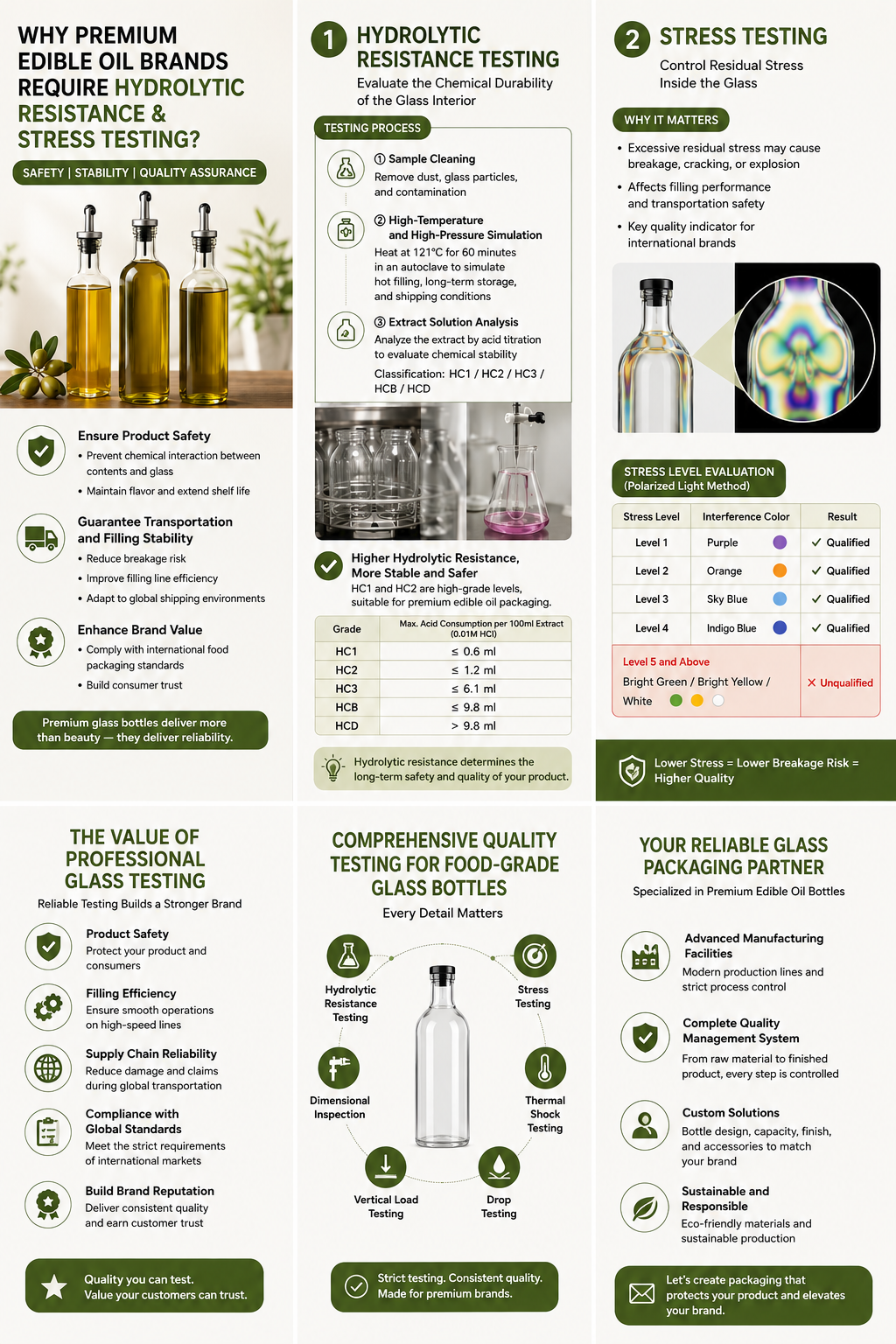
Why are international brands placing greater emphasis on glass bottle testing for edible oil packaging? This article explains how hydrolytic resistance testing and stress inspection help reduce transportation damage, filling-line failures, and food safety risks. Learn how premium brands evaluate food-grade glass packaging suppliers based on quality stability, international testing standards, and long-term supply reliability.
넶0 2026-05-13 -
How to Choose the Right Glass Sauce Bottle for Your Product (Complete Guide)
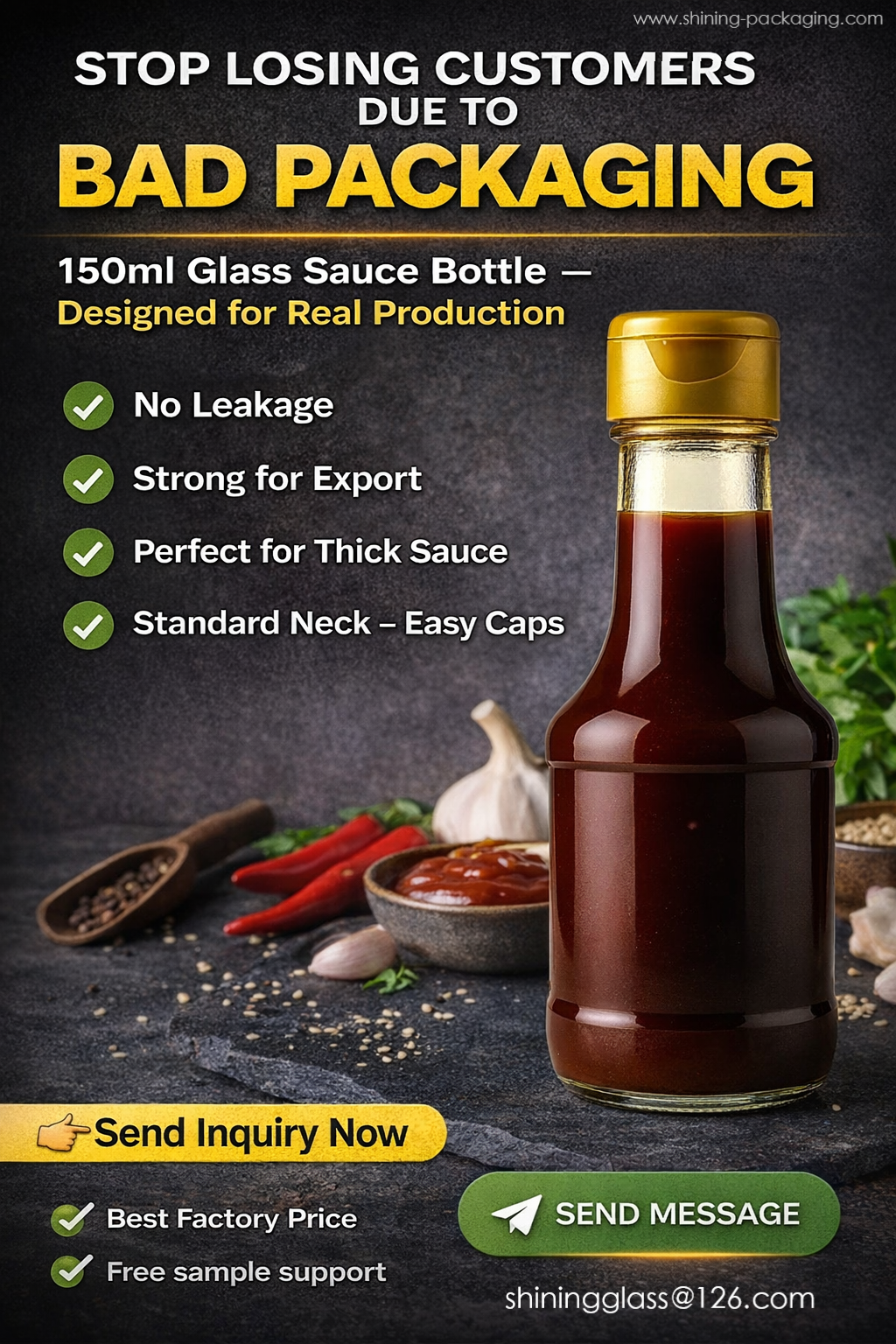
For sauce manufacturers, brand owners, and importers, choosing the right glass sauce bottle is far more than an aesthetic call—it directly shapes production efficiency, shipping safety, shelf appeal, and customer satisfaction. This complete guide breaks down every critical factor: matching bottle design to your sauce type, selecting the right capacity, ensuring neck and production line compatibility etc. Avoid common sourcing pitfalls and pick the perfect bottle for your business.
넶5 2026-04-16 -
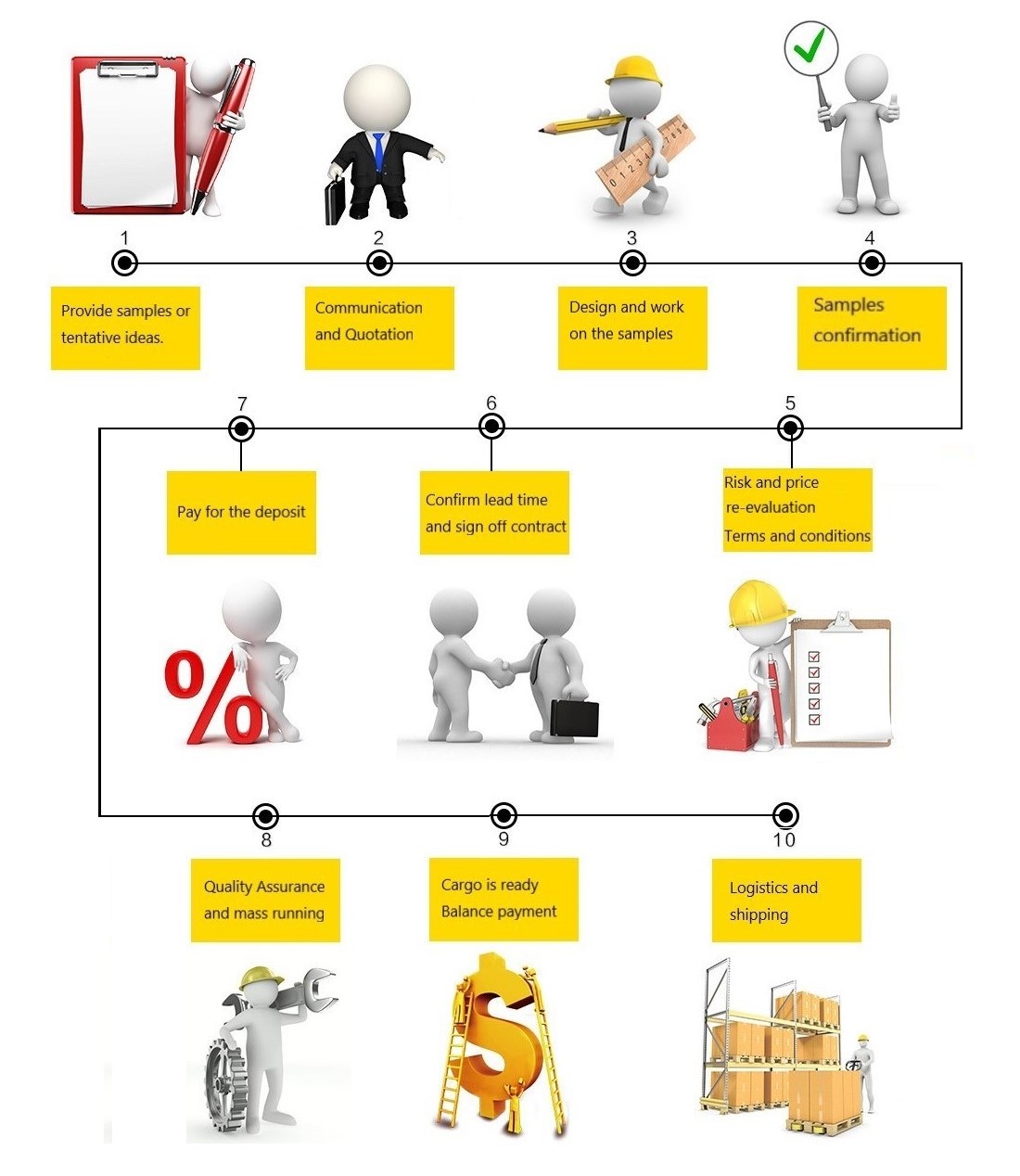
Custom Glass Bottles & Jars: OEM & ODM Solutions, MOQ, and Lead Time Explained
Custom glass bottles are often considered complicated and expensive, but most project failures actually come from misunderstandings of the process. This guide explains the key aspects of glass bottle customization, including OEM vs. ODM, customization options, mold development, MOQ, and lead times. It also highlights common mistakes buyers should avoid when developing custom packaging for food, beverage, and specialty products.
넶36 2026-03-02 -
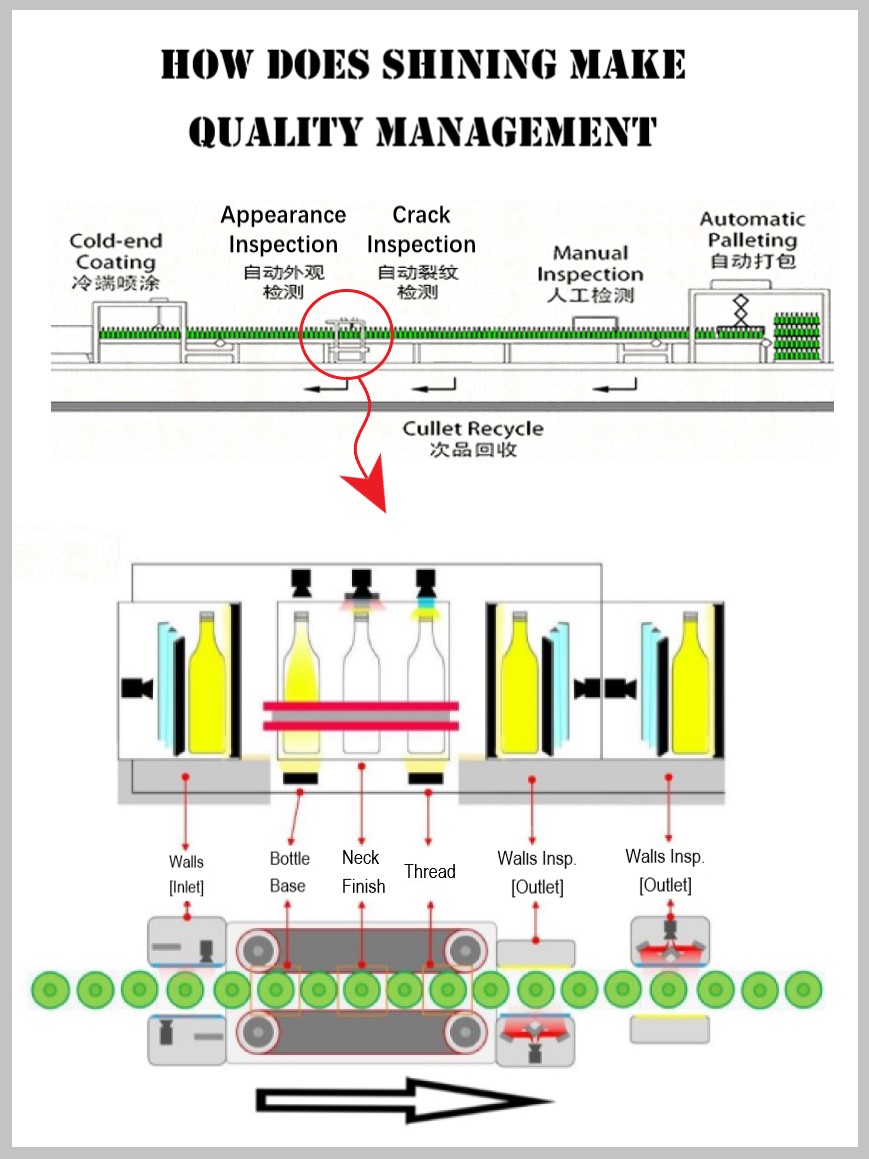
Food Grade Glass Bottles: Complete Guide to Safety, Certification & Applications
Food‑grade glass goes beyond material choice, involving strict regulations, testing, and quality control to ensure true food‑contact safety. This guide clarifies what defines a food‑grade glass bottle, compares soda‑lime and borosilicate glass, outlines key certifications like FDA and LFGB, and explains safety testing for hot filling and long‑term storage. It offers practical insight to help brands and buyers make safer, more informed packaging decisions.
넶58 2026-01-30 -
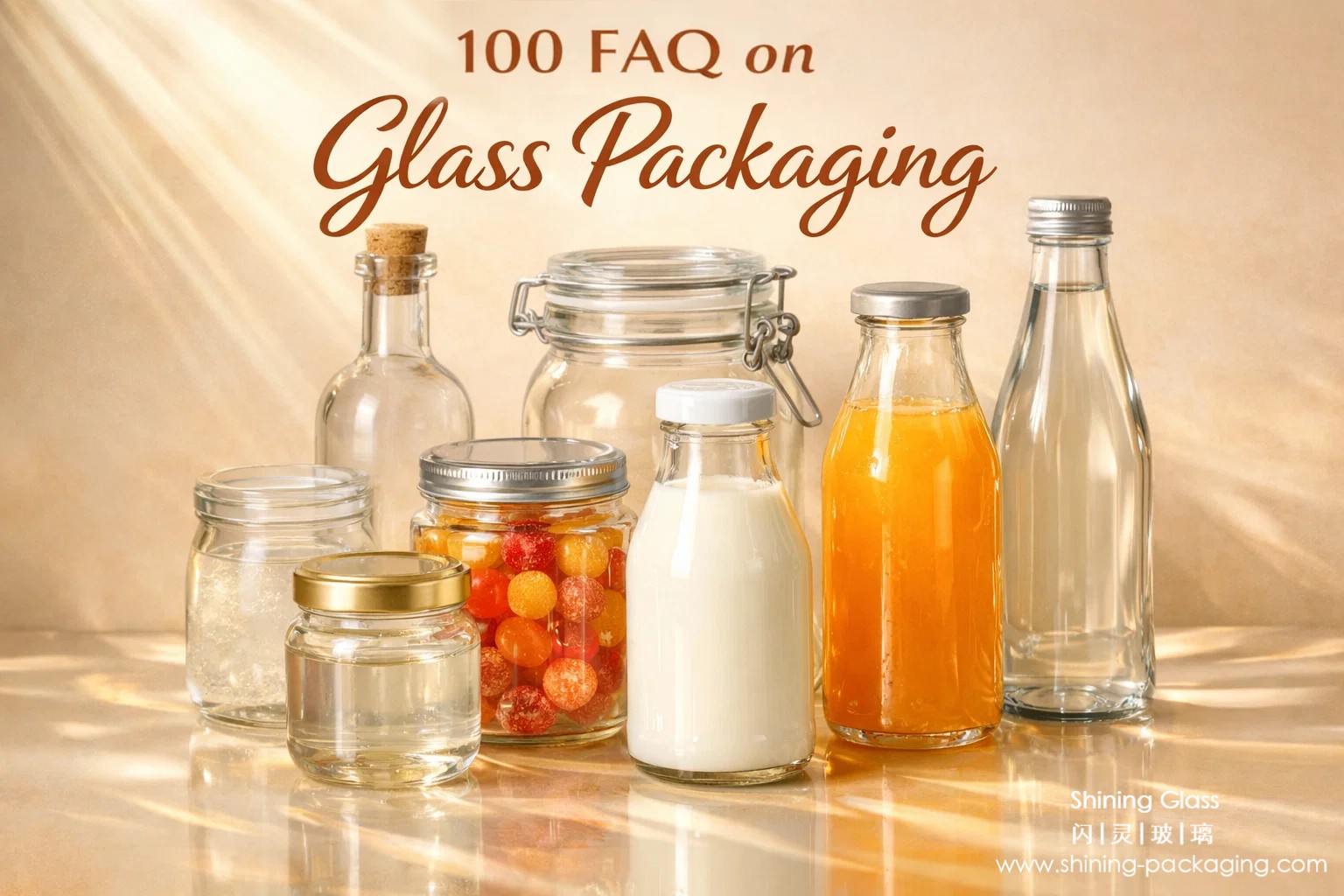
Glass Bottle & Jar Sourcing Guide: 100 FAQs to Avoid Costly Mistakes
We frequently encounter clients asking us about 100 questions regarding bottles. Below is a list of the 100 most frequently asked questions in the field of food glass bottles and jars, compiled based on practical experience. It covers multiple dimensions including product specifications, customization, packaging, transportation, certifications, and usage scenarios, helping clients understand us more quickly.
넶41 2025-12-25